








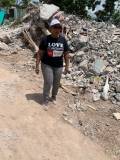
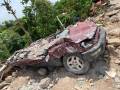

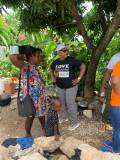


Florida AIDS Walk, March 2024
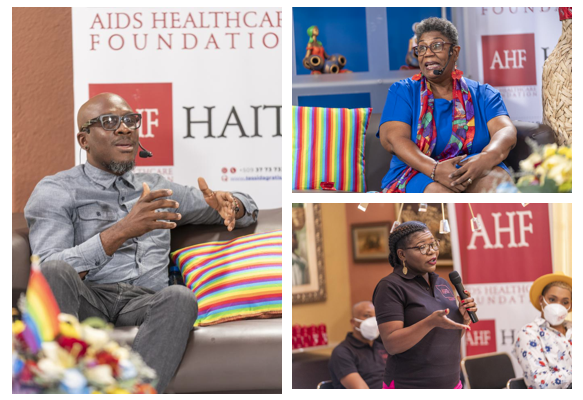
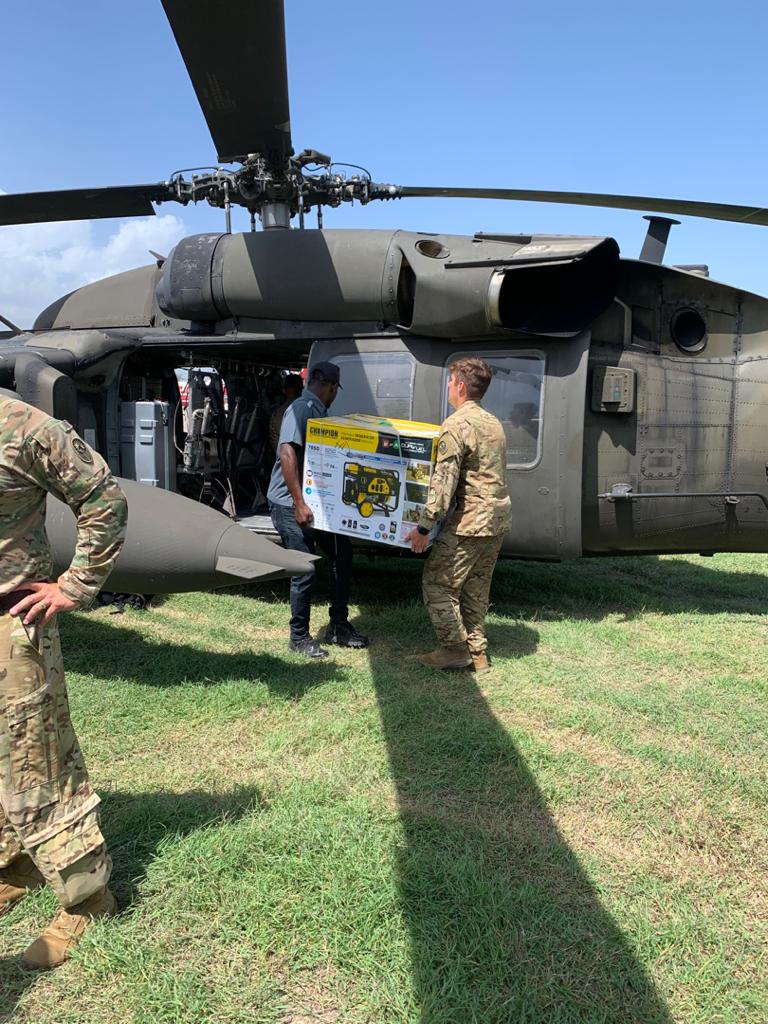
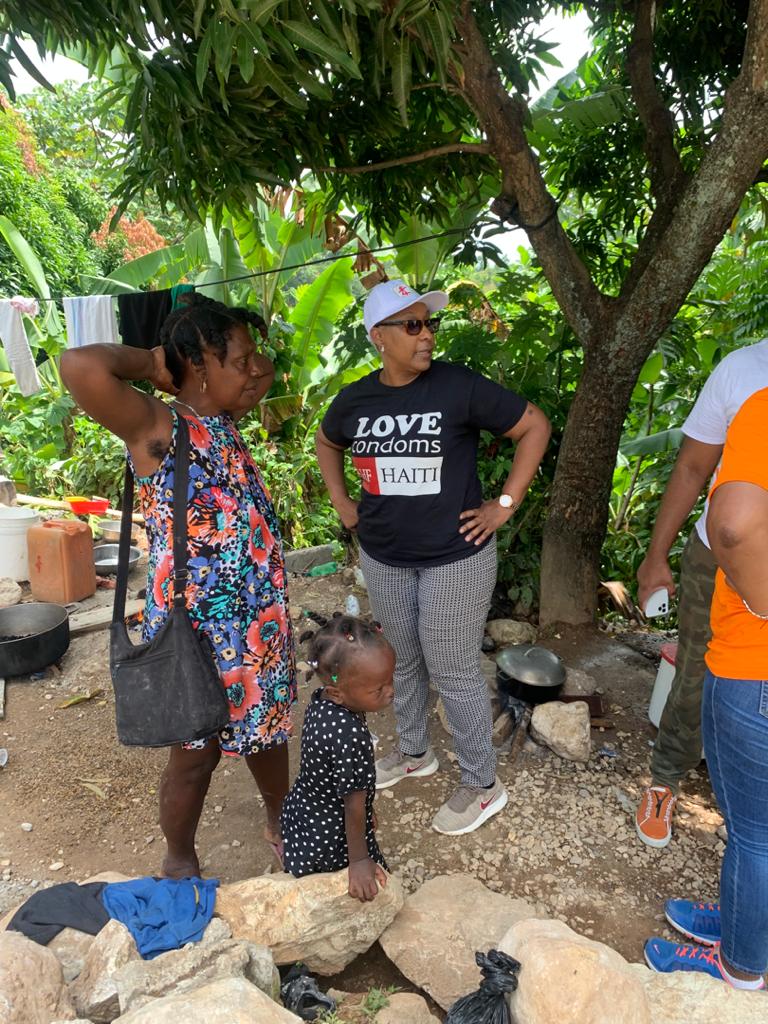
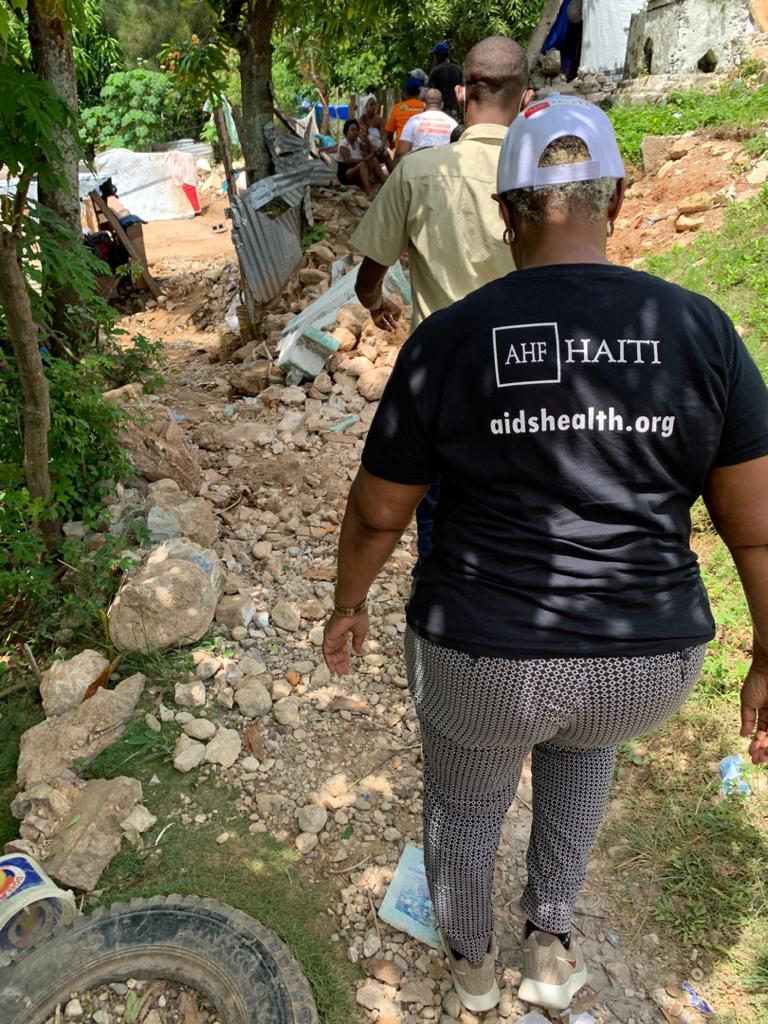
As the largest AIDS organization in the world, AHF makes it our mission to give back. Through grants, emergency funds, and strategic partnerships, we're able to provide millions of dollars worth of life-saving services, programs, and more.
4.7 MILLION
Dollars in a Year
Last year, we provided grants worth $4.7 million to organizations that promote HIV testing, awareness, prevention, treatment, and more.
218
Emergency Grants
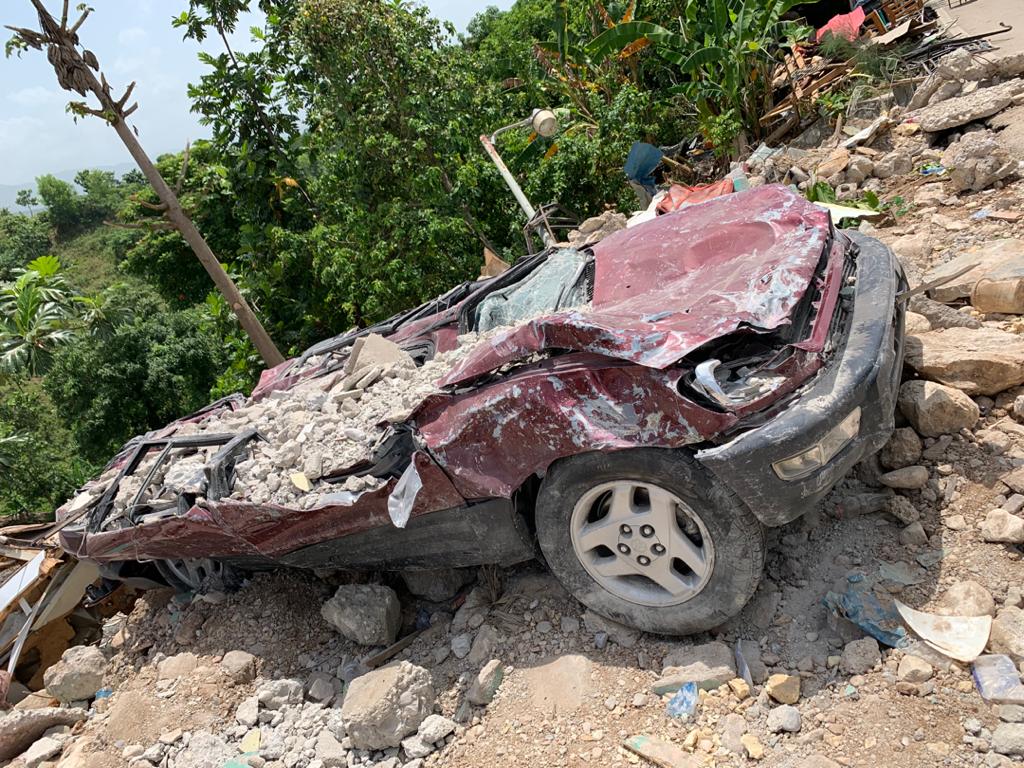
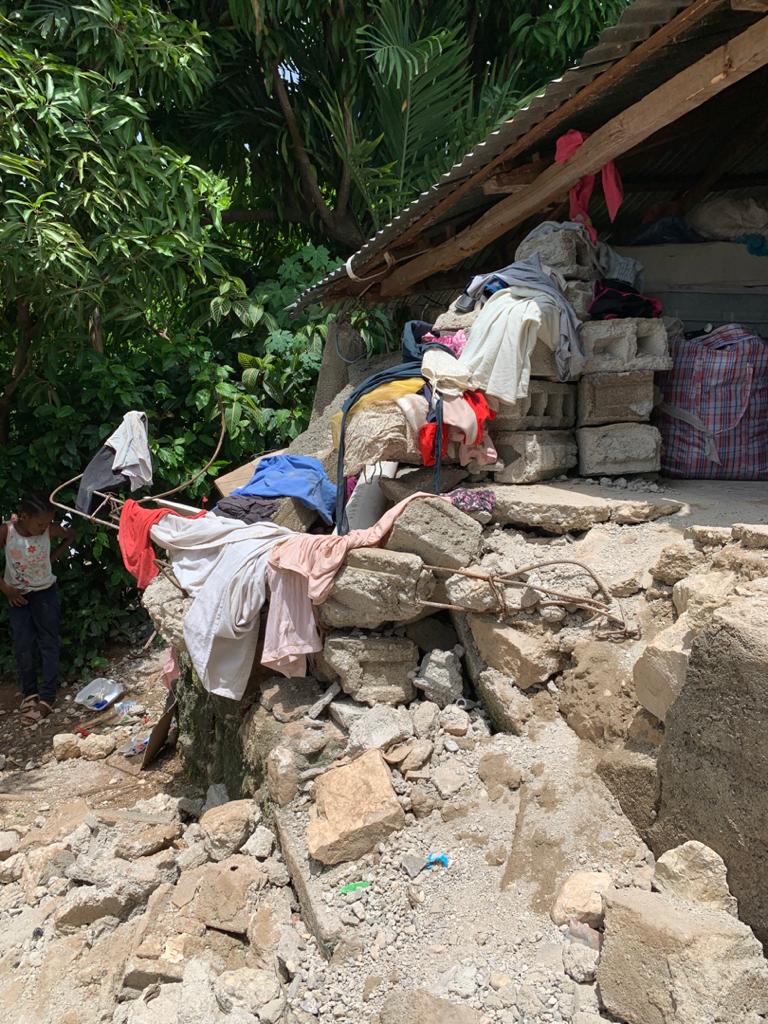
In 2021 alone, we gave out $2,033,810 in 218 emergency grants to provide small, community organizations relief to deliver vital services in their areas.
23 MILLION & Counting
Dollars to Community Partners
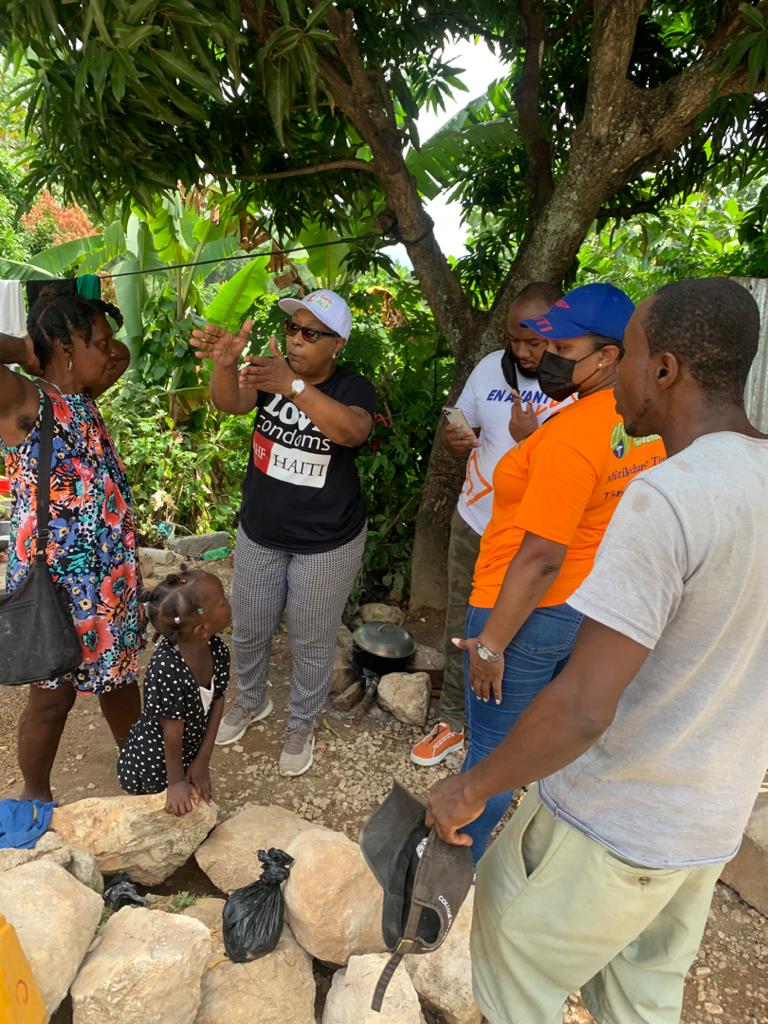
We invested $23,036,037 million dollars in our partner organizations to provide testing and vital services in areas and communities in need.
Donate Today
We wouldn’t be able to provide this kind of worldwide relief without your support
AHF Protests USPS Refusal to Deliver SRO Tenants Mail, March 2024